The Ramayana Ledger: What the Biggest Bet in Indian Cinema Has to Earn
Two parts, two Diwalis, one balance sheet. The arithmetic behind a film shot entirely for IMAX with Rahman and Zimmer on the score.
By Bolly Bourse Desk
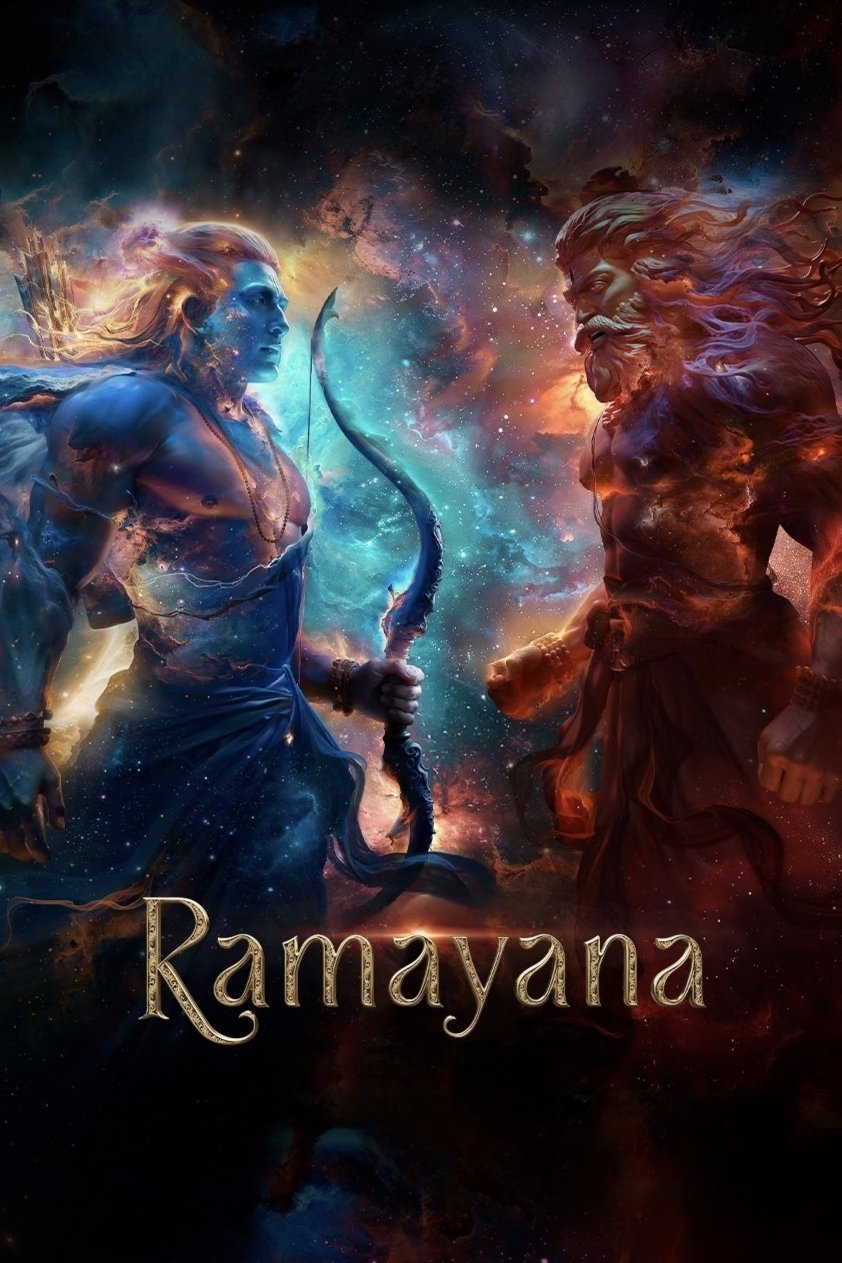
Ramayana is structured as two films released across two Diwalis, Part One in November 2026 and Part Two in 2027, with a reported combined outlay approaching ₹900 crore. That figure alone puts it beyond anything Indian cinema has attempted.
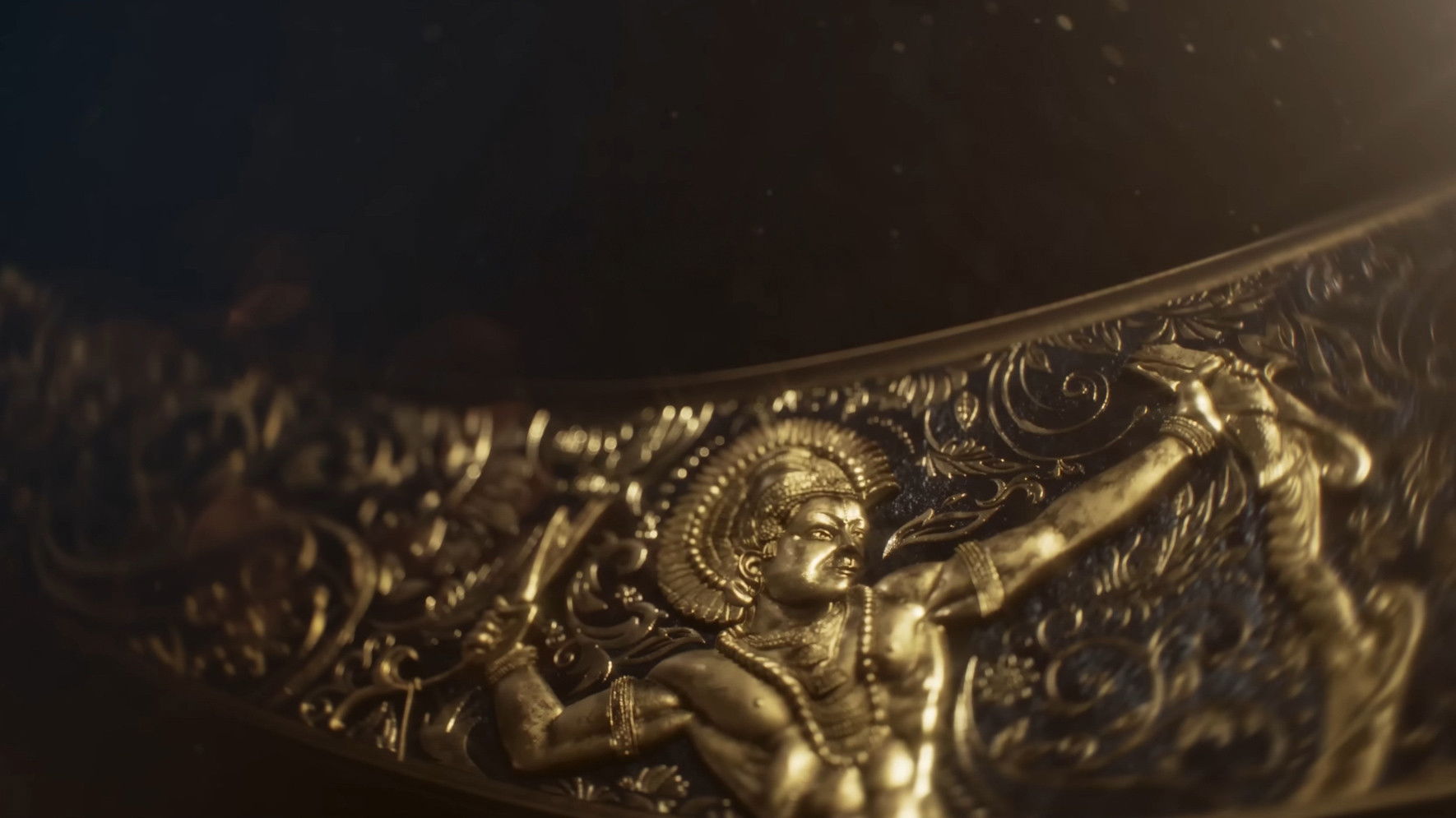
The cost sits in places Indian films rarely spend. Both parts are shot for IMAX. Visual effects run through DNEG, the Academy Award-winning studio Namit Malhotra owns, alongside Prime Focus Studios and Monster Mind Creations. The score pairs A.R. Rahman with Hans Zimmer, a combination that has never happened on an Indian film. Reports from the shoot described real gold being used in Ravana's costuming.
The cast reads like a national event: Ranbir Kapoor as Rama, Sai Pallavi as Sita, Yash as Ravana, Sunny Deol as Hanuman, Ravi Dubey as Lakshman, Kajal Aggarwal as Mandodari and Lara Dutta in the ensemble.
The arithmetic is unforgiving but not impossible. A film of this cost needs a lifetime worldwide gross in the ₹1,800 to ₹2,000 crore range across both parts to be comfortable, territory only Dangal and Pushpa 2 have touched. What makes it plausible is the two-part structure: Part One does not have to carry the entire recovery, and a strong first film turns the second into a pre-sold event with a year of anticipation behind it.
For the exhibition trade, a Diwali release from an Indian studio built for IMAX is its own kind of test: whether Indian films can command the premium formats that Hollywood has owned in this market.
Bolly Bourse · bollybourse.com
More from the Journal